


De-escalation
Course Info
Jurisdiction | Global |
|---|---|
Length | 1 - 1.5 Hour(s) |
Language | English |
Voiceover | No |
$109.30
Description:
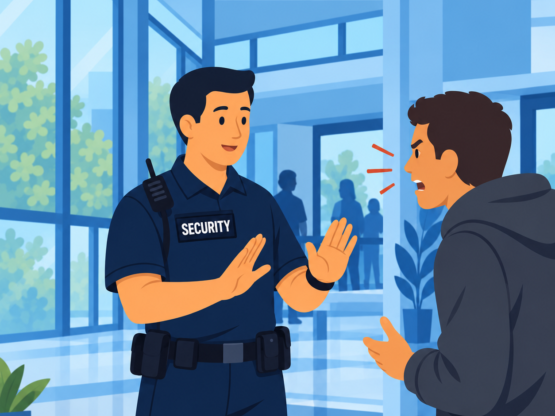
De-escalation is an important skill for law enforcement officers and security personnel who may encounter tense, aggressive, or high-pressure situations. This course provides practical tools and psychological insights to help participants understand and apply de-escalation techniques safely and effectively. Participants will explore the underlying drivers of aggressive behaviour and develop a clearer understanding of how to respond—and how not to respond—during moments of heightened tension. Through realistic, scenario-based examples, participants will see de-escalation techniques in action and develop greater confidence in applying these approaches in the field.
Core Learning Objectives
• Understand how verbal and non-verbal communication can influence interactions and outcomes. • Explore factors that can contribute to aggressive behaviour and recognize potential early warning signs. • Develop a structured approach to assessing situations, approaching individuals, and initiating engagement safely. • Learn a range of de-escalation techniques for different types of encounters. • Understand how empathetic communication can help build rapport, establish trust, and reduce resistance. • Explore how de-escalation strategies can be integrated with situational awareness and officer safety considerations.
Why choose this course?
• Strengthen practical de-escalation skills for managing tense, aggressive, and high-pressure encounters. • Develop greater awareness of verbal and non-verbal cues that can influence an interaction. • Better understand the factors that may contribute to aggressive behaviour and potential early warning signs. • Build confidence in assessing situations and selecting appropriate de-escalation approaches. • Learn how rapport, trust, and empathetic communication can help reduce resistance. • Support a more balanced approach that considers de-escalation, situational awareness, and officer safety.